
Start with what grows near the site
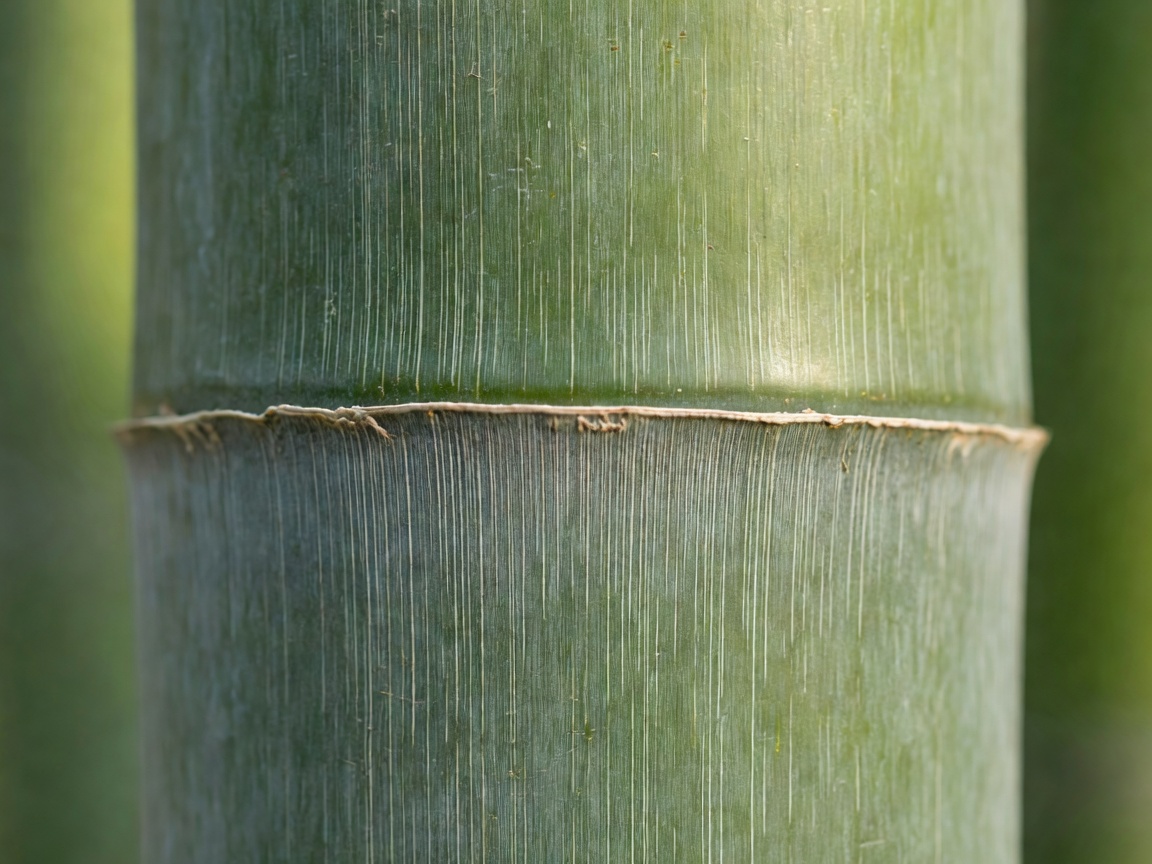
More than a thousand bamboo species exist, yet only a small group is used regularly for load-bearing work. Designers usually begin with species that combine large diameters, reasonably thick walls and documented properties. Guadua angustifolia, native to Colombia and Ecuador, is the backbone of South American bamboo architecture. Dendrocalamus asper, known in Indonesia as petung, is common in Southeast Asian pavilions. Phyllostachys edulis, or moso, dominates Chinese production and engineered bamboo products.
Local availability tends to outweigh theoretical performance. Shipping culms across oceans adds cost and environmental impact and can mean working with a species local builders have never handled. A modest local species with known behaviour is often a better starting point than an imported ideal.
Typical characters, not design values
The table summarises how these species are commonly described in the literature. It is a conceptual orientation only; real projects rely on tests of the actual batch, following methods such as ISO 22157.
| Species | Main regions | Typical use in pavilions | Design remark |
|---|---|---|---|
| Guadua angustifolia | Colombia, Ecuador | Columns, beams, trusses | Long history of bolted, mortar-filled joints |
| Dendrocalamus asper | Indonesia, Thailand, Vietnam | Columns, arches, roof frames | Large diameters suit primary members |
| Phyllostachys edulis | China | Secondary members, engineered panels | Thinner walls; often processed into laminated products |
| Bambusa blumeana | Philippines, Southeast Asia | Smaller frames, infill | Thorny branches; regional vernacular use |
Read the culm before you draw it
Young culms are soft and high in moisture. Builders typically cite a harvest age of roughly three to six years, depending on species, when fibres have lignified but before the culm declines. Many traditions favour harvesting in the dry season, when starch and moisture content are believed to be lower.
Visual grading follows the principles set out in ISO 19624. In the yard, inspectors usually check:
- Straightness and acceptable bow over the member length
- Wall thickness and diameter at both ends, noting taper
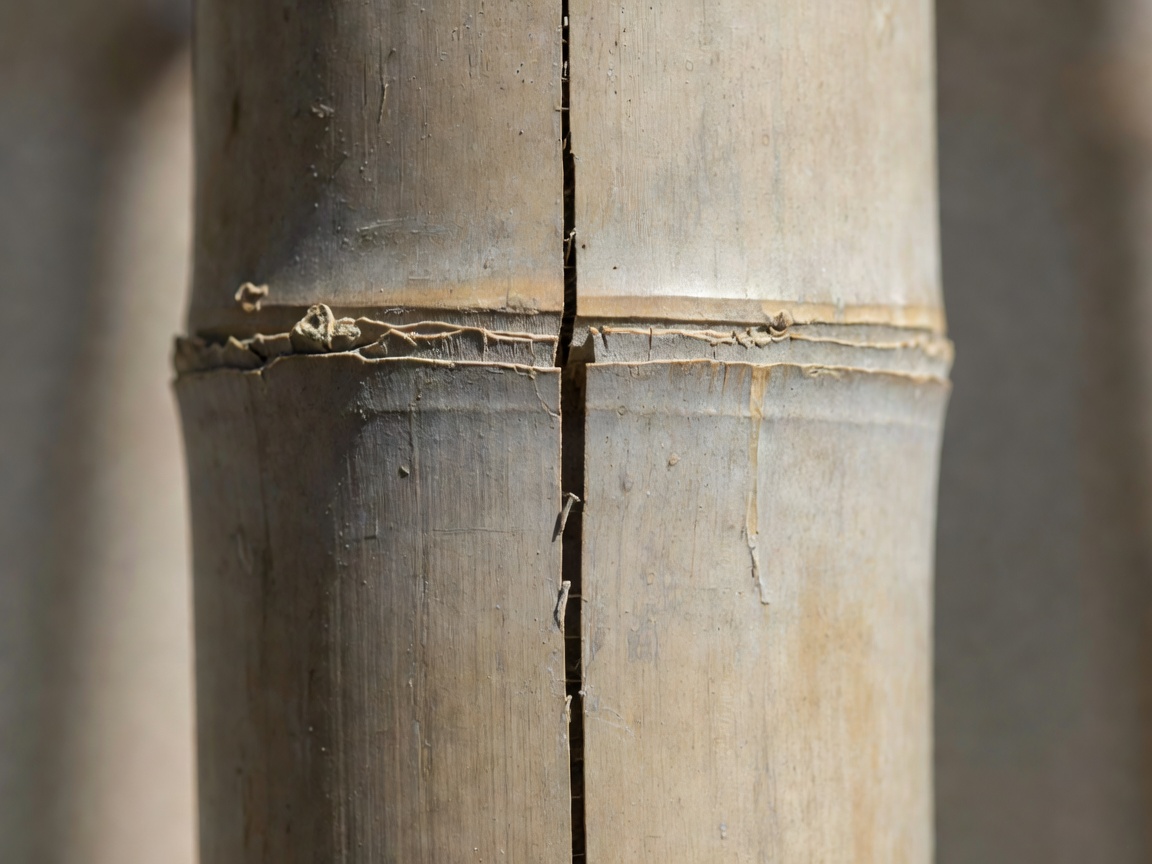
- Splits, crushed nodes, fungal staining and insect holes
- Moisture content suited to the intended assembly
Protect the starch from the beetle
Bamboo has little natural resistance to biological attack. Its starch feeds the bamboo powderpost beetle, Dinoderus minutus, and fungi thrive when culms stay damp. Common treatments include borate solutions (borax and boric acid) applied by soaking, by vertical soak diffusion through perforated internodes, or by the Boucherie method, which pushes preservative through freshly cut culms under pressure. Heat and smoke treatments are also used regionally.
Borates are water-soluble and can leach out if treated bamboo is exposed to rain. That makes treatment and weather protection partners rather than alternatives. Specifying chemicals, concentrations and retention levels is specialist work and depends on local regulations.
Design is the first preservative
Durability guidance across bamboo traditions repeats one idea: keep it dry and keep it off the ground.
- Lift columns onto plinths or footings above splash height
- Provide generous roof overhangs to shade and shelter culms
- Cap open culm ends to stop water entering
- Allow airflow so members dry after rain
From culm to connection
Once a species and grade are known, the joint can be designed around the real diameter and wall thickness rather than an idealised tube. That is where the space begins to take shape.